

Why Insulate
Insulation is the invisible backbone of industrial efficiency. In the high-stakes environments of Oil & Gas, Power Generation, and Cryogenic processing, insulation is a critical engineering requirement. Without a professionally designed system, infrastructure is vulnerable to energy loss, structural failure, and safety hazards.
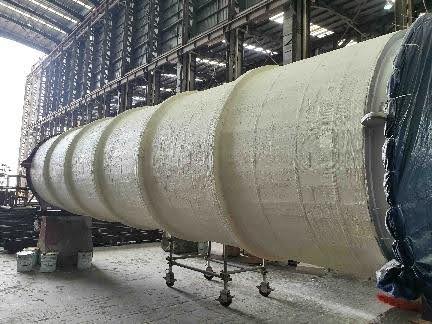
Thermal Efficiency and Energy Conservation
The primary function of insulation is to resist the flow of heat. In Power Plants, this keeps steam at maximum temperature for turbine efficiency. In Cryogenic systems, it prevents ambient heat from penetrating LNG lines, which could lead to dangerous pressure increases. By maintaining these temperatures, you drastically reduce fuel consumption and operational costs.
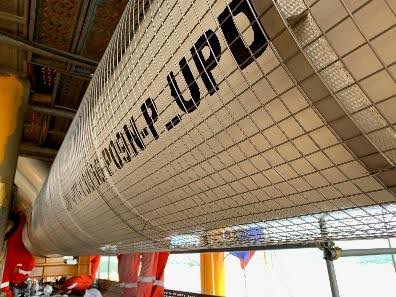
Personnel Protection and Safety
Industrial processes often operate at temperatures lethal to human touch—from over 600°C in steam headers to below -160°C in cryogenic units. Proper mechanical insulation acts as a thermal barrier, reducing “touch temperatures” to safe levels. Furthermore, Acoustic Insulation protects the long-term hearing of your workforce by dampening the roar of industrial machinery.
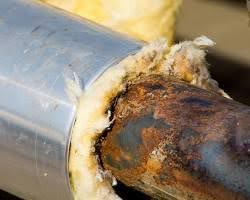
Condensation Control and Corrosion Prevention (CUI)
In cold applications, moisture from the air can condense on metal surfaces, leading to ice formation or Corrosion Under Insulation (CUI). CUI is a “silent killer” of industrial assets, often hiding behind cladding until a pipe failure occurs. A professionally sealed system with precision-cut PIR or Cellular Glass is your first line of defense.

Acoustic Integrity and Noise Reduction
High-pressure valves and compressors generate extreme noise levels that can impact both worker safety and environmental compliance. Specialized sound insulation enclosures and cladding absorb these vibrations, ensuring your facility meets stringent international noise regulation standards.

Environmental Stewardship
Insulation is the most effective tool for reducing a facility’s carbon footprint. By minimizing heat loss, plants require less energy to maintain processes, directly resulting in lower $CO_2$ emissions. High-performance insulation is a prerequisite for meeting modern environmental regulations and global sustainability goals.